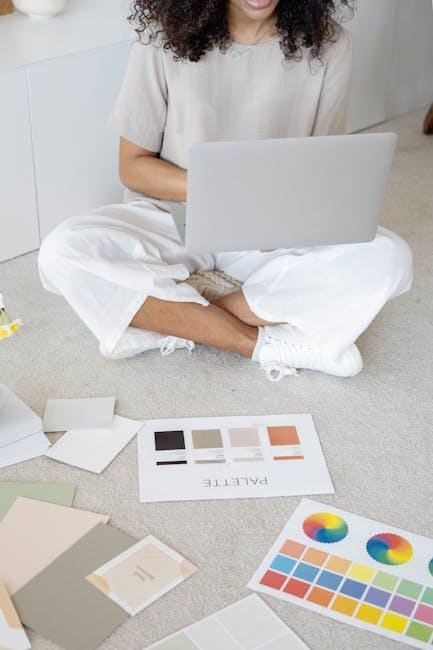
in the hustle and bustle of modern work life, small offices have become a common reality, often leaving us to grapple with the challenge of maximizing every square inch. While effective organization and clever furniture choices play pivotal roles in optimizing space, the transformative power of color can take your workspace from cramped to captivating. The right color schemes not only enhance aesthetics but also create an illusion of openness, making even the coziest office feel more expansive and welcoming.In this article, we will explore some of the best color combinations that can redefine your small office, providing insights and inspiration for a workspace that not only looks bigger but also boosts creativity and productivity.
Understanding Color Theory for Expanding Visual Space
Color is not just about aesthetics; it can profoundly impact perception and spatial awareness. In small office environments, using light colors can create an illusion of a more expansive area. pale blues,soft greens,and light grays reflect light effectively,making the walls appear further away. Such hues can brighten a confined space, fostering a sense of openness and airiness. Additionally, careful selection of furniture colors, like whites or pastels, can enhance this effect, ensuring that every item asymmetrically contributes to the overall spaciousness.
Moreover, the request of contrasting colors can definitely help define different areas within a small office, creating an organized yet expansive vibe. Utilize a combination of dark accent walls paired with light-toned furnishings to enclose the space visually while also drawing the eye towards brighter areas.Consider incorporating color-blocked sections—using shades like navy blue against peach or mint green—to delineate work zones without adding physical barriers. Here’s a simple table to illustrate effective color combinations:
| Wall Color | Accent Color | Furniture Color |
|---|---|---|
| Soft Gray | Pale Yellow | White |
| Pale Blue | Navy | Light Wood |
| Light Green | Charcoal | Beige |

Choosing Light and Airy Palettes for a Sense of Freedom
for a workspace that invokes a sense of freedom and openness,selecting light and airy color palettes is essential. Soft hues, like pale blues, gentle greens, and warm whites, can create an expansive atmosphere that encourages creativity and productivity. These colors reflect natural light, making them perfect for smaller offices. By avoiding heavy, dark shades, you can enhance the space’s brightness, instilling a feeling of airiness that counters claustrophobia frequently enough felt in confined spaces.
Consider pairing these lighter tones with materials that enhance their effect, such as glass or light wood. Create an inviting aesthetic by incorporating elements like:
- Soft textiles – Use cushions or curtains in muted colors.
- Minimalistic furniture – Opt for sleek designs that do not overwhelm.
- Reflective surfaces – Incorporating mirrors can amplify light across the room.
these choices not only promote an airy feel but also open up opportunities for creativity and collaboration. A well-considered palette can serve as a foundation for a cohesive design that implements the essence of freedom in your workspace.

Incorporating accent Colors to Create Depth and Interest
Accent colors are a fantastic way to not only brighten up a small office but also to create visual depth and interest. When strategically chosen, these colors can draw the eye and make the space feel larger without overwhelming it. Consider incorporating accent colors through elements like office accessories, furniture pieces, or even a feature wall. For example, if your base color is a soft white or light gray, adding vibrant hues like coral or turquoise can introduce a lively contrast that enlivens the atmosphere.
Using textured materials or patterned fabrics can further enhance the effect of your accent colors. think about colorful cushions on a neutral sofa or a shining, geometric rug that ties the room together. To keep the space unified, try to limit your choice of accent colors to 2 or 3, ensuring they complement each other while maintaining a cohesive look. Here’s a fast reference table to illustrate how you can mix and match base and accent colors effectively:
| Base Color | Accent Colors |
|---|---|
| Soft White | Coral, Turquoise, Charcoal |
| Light Gray | Navy Blue, Mustard Yellow, Dusty Rose |
| Pale Beige | Forest Green, Terracotta, Teal |

Textures and Patterns: enhancing the Illusion of Space
In the realm of interior design,the use of textures and patterns is crucial for creating dimensions in small spaces. Opting for light textures such as sheer curtains or soft upholstery can foster an airy ambiance, making the room feel less confined. Incorporate patterns strategically—a large, subtle print on a feature wall can trick the eye into perceiving depth, while diagonal lines in rugs or art can elongate the view, leading to a more spacious illusion. Remember to keep the patterns consistent and harmonious to avoid overwhelming the space.
Using color zone techniques can also amplify the sense of area. For instance, a warm color palette on one wall combined with a cooler hue on the opposite side invites the eye to explore the room. Consider the following design elements to optimize small office spaces:
- Textured Wall Art: Opt for canvas prints with depth.
- Area Rugs: Use large patterns that guide eyes across the floor.
- Accent Pieces: Introduce patterned cushions or throws for cozy texture.
A well-chosen blend of textures and patterns not only enhances aesthetic appeal but also creates an inviting atmosphere conducive to productivity. Below is a brief table illustrating effective patterns and their spatial effects:
| Pattern Type | Effect on Space |
|---|---|
| Vertical stripes | Heightens space perception |
| Geometric shapes | Adds visual interest and movement |
| Soft floral | Brings in a natural, relaxed feel |
Wrapping Up
In a world where space is often at a premium, the right color scheme can transform a small office from a confining cubicle to an inviting enclave. By embracing lighter shades, integrating bold accents, and leveraging the power of complementary colors, you can create an atmosphere that feels expansive and inspiring.Whether you opt for soothing neutrals, refreshing pastels, or striking contrasts, remember that the essence of a well-designed space lies not just in the colors you choose, but in how they harmonize with your work habits and personal style.
As you embark on your journey to revamp your workspace, consider the emotions that different hues evoke and how they can enhance productivity and creativity. With thoughtful consideration and a splash of imagination, your small office can become a sanctuary of innovation and efficiency. So go ahead—paint those walls, decorate freely, and watch as your compact corner transforms into a spacious realm of possibility.